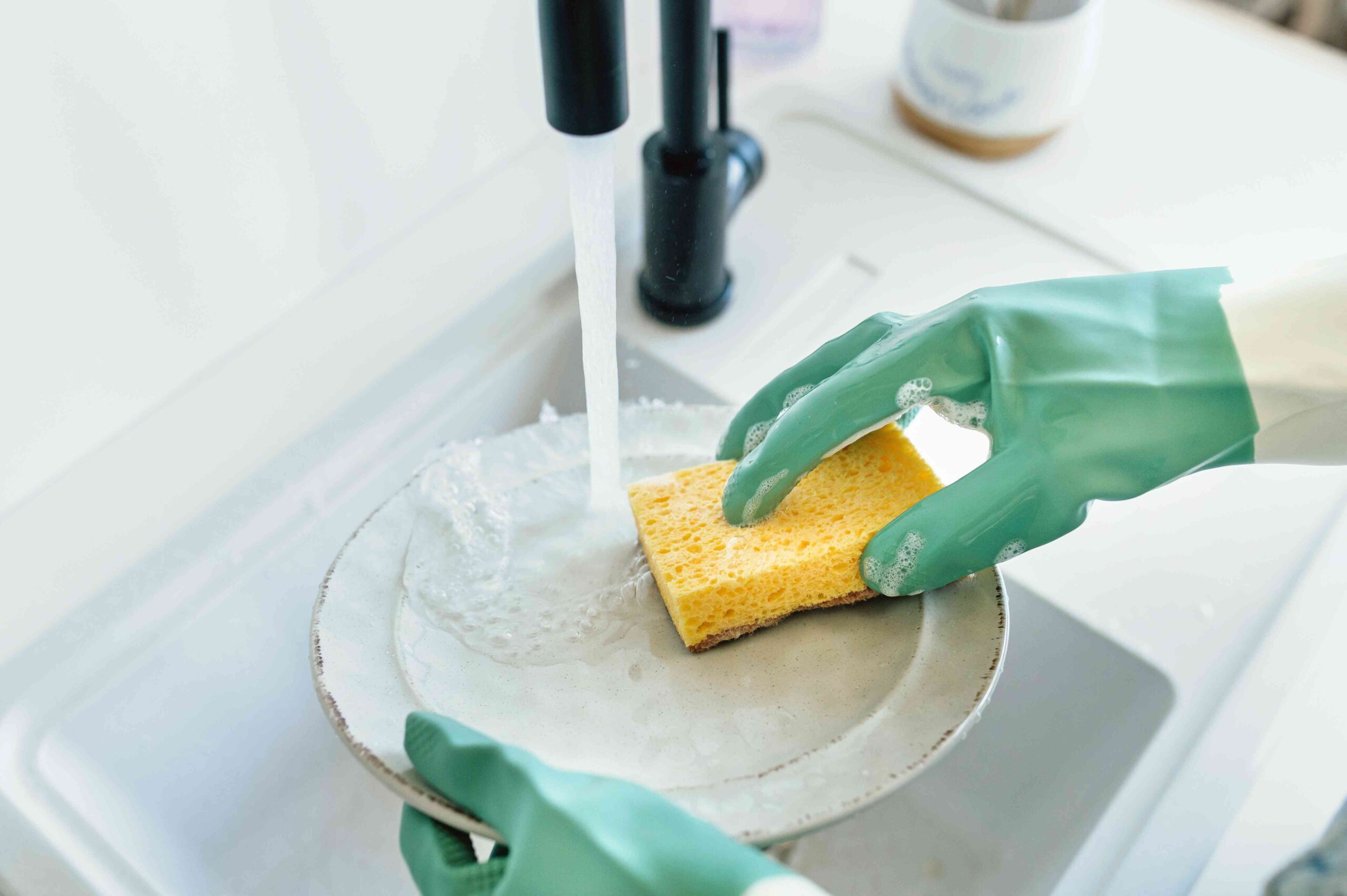
In the hustle and bustle of our kitchen routines, one item often overlooked for its potential hazard is the humble kitchen sponge. Despite its innocuous appearance, the kitchen sponge can harbor a plethora of bacteria, posing risks to our health. In this article, we’ll delve into the importance of maintaining sponge safety, understand the risks associated with bacterial buildup, explore effective cleaning methods, discuss alternative sponge options, and provide preventive measures to ensure a hygienic kitchen environment.
1. Understanding the Problem:
Kitchen sponges are veritable breeding grounds for bacteria due to their porous nature and frequent exposure to moisture. Studies have shown that kitchen sponges can harbor millions of bacteria per square inch, including harmful pathogens such as E. coli and Salmonella. Despite their purpose of cleaning, using a contaminated sponge can inadvertently spread bacteria across surfaces, increasing the risk of foodborne illnesses and other infections.
2. Identifying Harmful Bacteria:
It’s essential to recognize the types of bacteria commonly found in kitchen sponges and understand the health risks they pose. Pathogens like Campylobacter and Listeria can cause severe gastrointestinal issues, while Staphylococcus aureus can lead to skin infections and respiratory problems. Recognizing signs of bacterial contamination, such as foul odors or discoloration, is crucial for maintaining a safe kitchen environment.
3. Effective Cleaning Methods:
Properly cleaning kitchen sponges is paramount to mitigate bacterial buildup. Begin by rinsing the sponge thoroughly after each use to remove food particles and debris. Regularly sanitize sponges by microwaving them on high for one minute or soaking them in a bleach solution. Alternatively, consider using natural cleaning agents like vinegar or lemon juice to disinfect sponges without harsh chemicals.
4. Alternative Sponge Options:
For those seeking alternatives to traditional kitchen sponges, several options offer improved hygiene and durability. Cellulose sponges made from plant fibers are biodegradable and less prone to bacterial growth than their synthetic counterparts. Silicone sponges provide a non-porous surface that is easy to clean and maintain, making them ideal for germ-conscious individuals. Consider experimenting with different sponge materials to find the best fit for your kitchen needs.
5. Preventive Measures:
Preventing bacteria buildup in kitchen sponges requires adopting good hygiene practices and implementing preventive measures. Store sponges in a dry, well-ventilated area to inhibit bacterial growth and avoid cross-contamination with other kitchen tools. Replace sponges regularly, ideally every two weeks, to ensure optimal cleanliness and effectiveness. By incorporating these preventive measures into your kitchen routine, you can minimize the risk of bacterial contamination and maintain a safe and sanitary environment.
Takeaway
Maintaining sponge safety is essential for promoting a healthy kitchen environment and reducing the risk of bacterial contamination. By understanding the risks associated with bacterial buildup, implementing effective cleaning methods, exploring alternative sponge options, and adopting preventive measures, you can ensure the cleanliness and hygiene of your kitchen sponges. Let’s prioritize sponge safety to safeguard our health and well-being in the heart of our homes.
In a nutshell, Click n’ Clean stands tall as the expert provider of cleaning cloths and sponges. Choose excellence for your cleaning needs and witness the remarkable difference their products can make in your daily routine.