Allergies are a common concern for many individuals, impacting their daily lives and overall well-being. While allergens can come from various sources, one often overlooked culprit is cleaning chemicals. In this guide, we’ll delve into the relationship between cleaning chemicals and allergies to help you make informed choices about your cleaning routine.
Common Cleaning Chemicals
Cleaning chemicals are ubiquitous in households and commercial settings alike. From bleach to ammonia, these products serve a vital role in maintaining cleanliness. However, many contain ingredients that can trigger allergic reactions. Understanding these chemicals and their potential allergens is crucial for minimizing risks.
Allergic Reactions to Cleaning Chemicals
Exposure to cleaning chemicals can result in a range of allergic reactions, from mild irritation to severe respiratory issues. Symptoms may include skin rashes, watery eyes, coughing, and difficulty breathing. Prolonged exposure to allergens in cleaning products can exacerbate existing allergies and even lead to the development of new sensitivities.
Identifying Allergens in Cleaning Products
Reading labels and understanding ingredients is essential for identifying potential allergens in cleaning products. Common culprits include fragrances, preservatives, and harsh chemicals like formaldehyde and sodium lauryl sulfate. Opting for products labeled as hypoallergenic or fragrance-free can help reduce the risk of allergic reactions.
Managing Allergies Related to Cleaning Chemicals
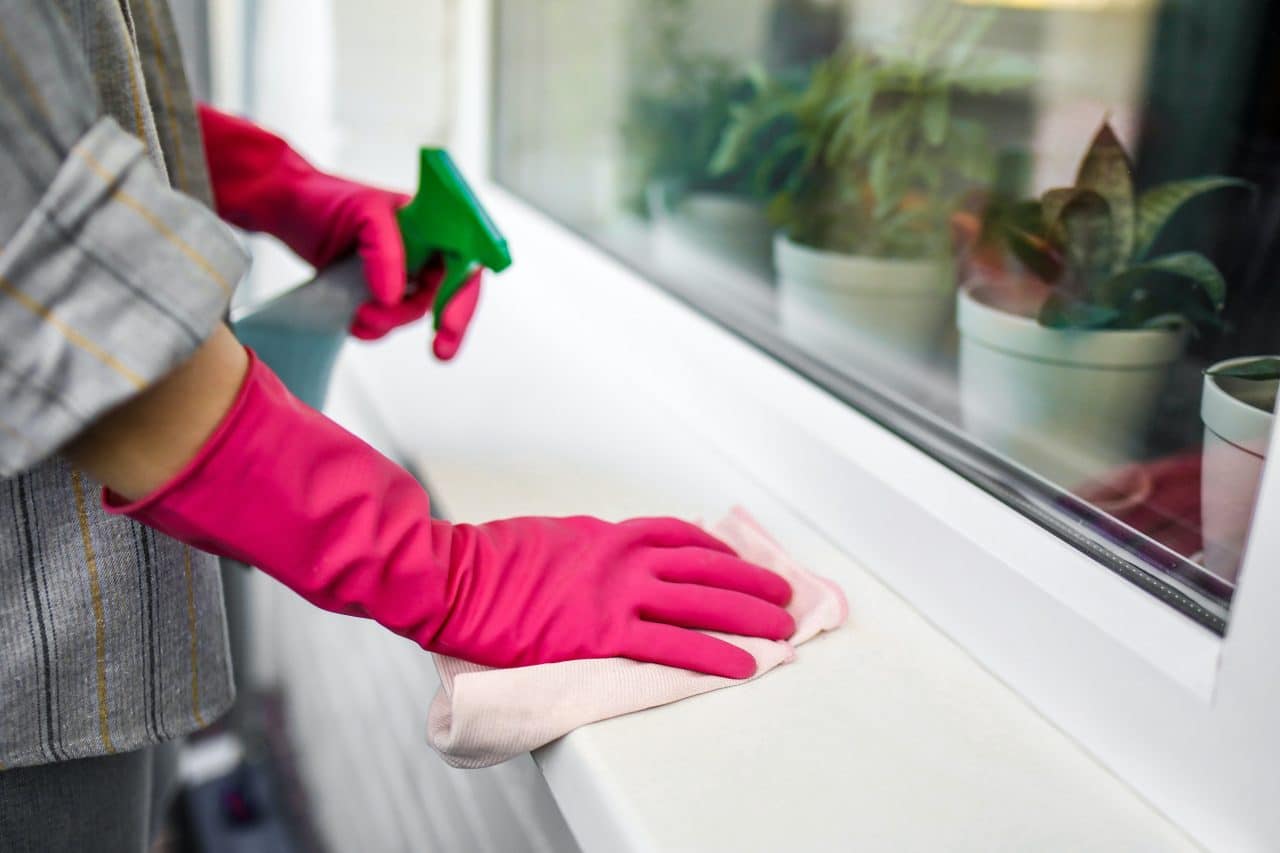
Reducing exposure to allergens is key to managing allergies related to cleaning chemicals. Proper ventilation and wearing protective gear, such as gloves and masks, can minimize direct contact and inhalation of harmful substances. Additionally, considering alternative cleaning solutions, such as natural or homemade products, can provide effective cleaning without the risk of triggering allergies.
Creating an Allergy-Friendly Cleaning Routine
Developing an allergy-friendly cleaning routine involves selecting the right products and techniques to minimize allergen exposure. Choose cleaning products that are certified as allergy-friendly and environmentally friendly whenever possible. Implementing regular cleaning schedules and proper storage of cleaning supplies can also help maintain a healthy indoor environment.
Tips for Businesses and Organizations
Businesses and organizations have a responsibility to provide allergy-friendly cleaning options in public spaces. This includes using non-toxic, hypoallergenic cleaning products and implementing green cleaning initiatives to reduce allergen exposure for employees and customers alike. By prioritizing health and safety, businesses can create inclusive environments for individuals with allergies.
Takeaway
Understanding the impact of cleaning chemicals on allergies is essential for safeguarding health and well-being. By being mindful of the ingredients in cleaning products and implementing allergy-friendly cleaning routines, individuals can minimize the risk of allergic reactions and create healthier living and working environments for themselves and others. Remember, prioritizing your health begins with informed choices about the products you use in your everyday life.
In the realm of cleaning expertise, Click n’ Clean shines brightly. Their dedication to delivering superior cleaning solutions and chemicals cements their position as the best in the business.