Vacuum cleaners have long been a staple in households worldwide, revolutionizing the way we maintain cleanliness and hygiene. From the early manual contraptions to today’s sleek, high-tech appliances, the evolution of vacuum cleaner design has been nothing short of remarkable. As we delve into the future, it’s fascinating to explore the innovations that will shape the next generation of vacuum cleaners, catering to the ever-changing needs of consumers.
Evolution of Vacuum Cleaners
Since their inception, vacuum cleaners have undergone significant transformations. From the cumbersome manual devices of the 19th century to the electric-powered models of the early 20th century, innovation has been constant. The advent of compact, lightweight designs and the introduction of bagless technology marked significant milestones, leading us to the modern era of vacuum cleaning.
Current Trends in Vacuum Cleaner Design
Today, several trends dominate the vacuum cleaner market. Energy efficiency and sustainability have become paramount, driving manufacturers to develop eco-friendly models with reduced power consumption. Compact and lightweight designs offer unparalleled maneuverability, making cleaning tasks effortless. The integration of smart technology enables remote monitoring and control, while cordless, battery-powered models provide unmatched freedom of movement. Moreover, HEPA filtration systems are increasingly common, catering to those with allergies and respiratory issues.
Innovations Shaping the Future
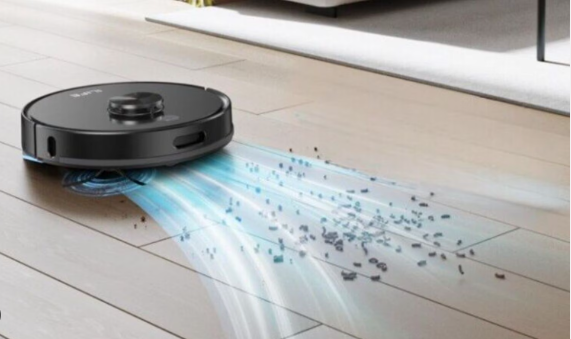
Looking ahead, several innovations hold promise for the future of vacuum cleaner design. Advanced suction technologies are being developed to enhance cleaning efficacy, ensuring no dirt or debris is left behind. Robotics and artificial intelligence are revolutionizing the industry, with autonomous vacuum cleaners capable of navigating and cleaning spaces with minimal human intervention. Modular designs allow for customization and upgrades, ensuring longevity and adaptability. Eco-friendly materials and manufacturing processes are also gaining traction, reducing the environmental footprint of vacuum cleaners. Additionally, the integration of IoT facilitates seamless connectivity and control, transforming the cleaning experience.
Challenges and Considerations
Despite the excitement surrounding vacuum cleaner innovations, several challenges remain. Consumers may express concerns about privacy and data security with smart vacuum cleaners, necessitating robust safeguards. Moreover, the environmental impact of battery disposal and electronic waste must be addressed to ensure sustainability. Affordability and accessibility of advanced models also pose challenges, requiring manufacturers to balance innovation with affordability.
Future Outlook
Looking forward, the future of vacuum cleaner design appears promising. Emerging technologies like 5G and machine learning are poised to further revolutionize the industry, offering new possibilities for efficiency and convenience. Consumer feedback and market demand will continue to shape future designs, ensuring that vacuum cleaners remain indispensable tools for maintaining clean and healthy living spaces.
Takeaway
The future of vacuum cleaner design is characterized by innovation and adaptability. As technology advances and consumer preferences evolve, vacuum cleaners will continue to undergo transformative changes, catering to the diverse needs of households worldwide. By staying informed about the latest trends and advancements, consumers can make informed decisions and embrace the next generation of cleaning solutions.
In the realm of superior cleaning solutions, Click n’ Clean emerges as the unrivaled expert in providing top-notch vacuum services. Elevate your cleaning routine and choose excellence with Click n’ Clean.