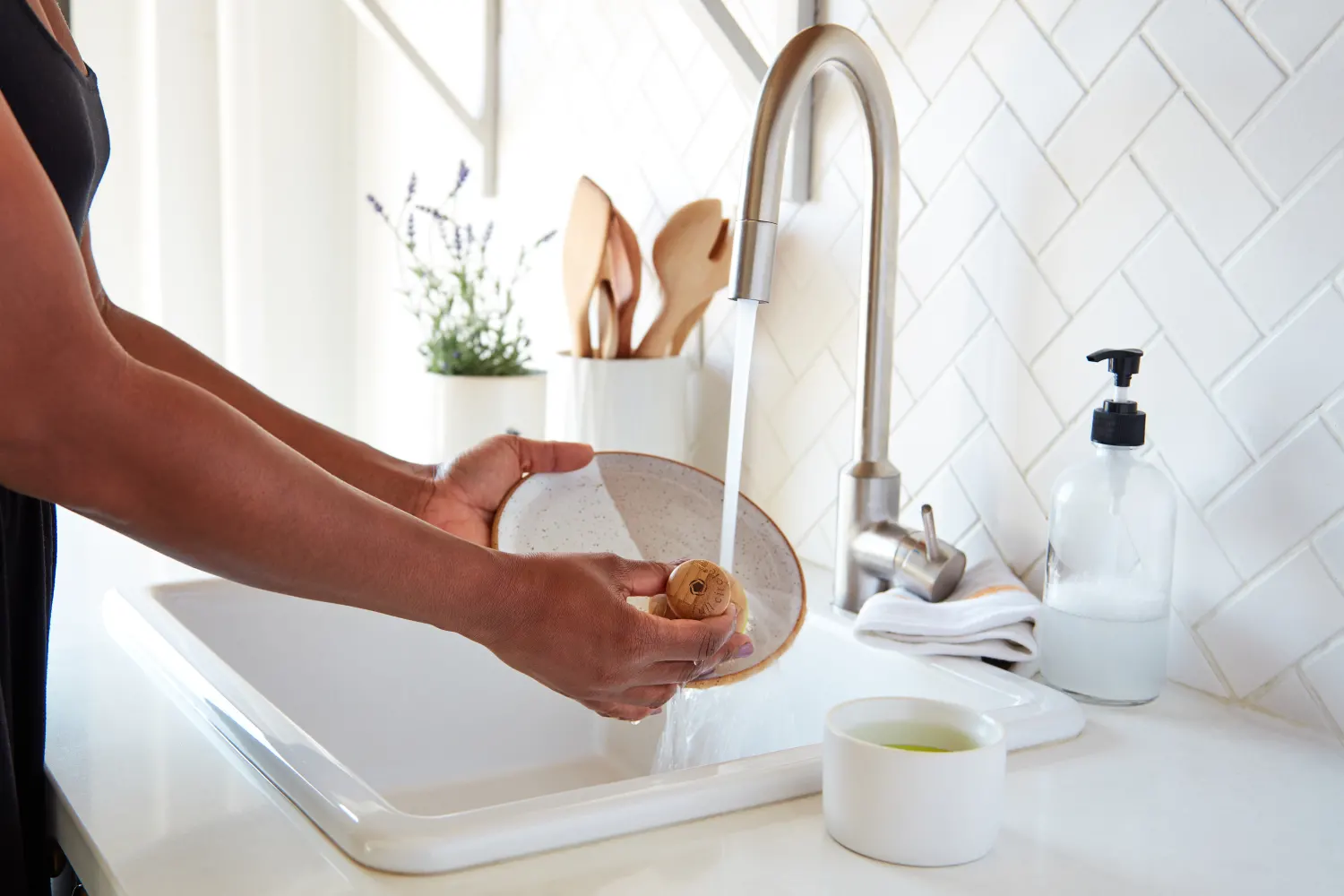
Dishwashing brushes are ubiquitous in kitchens worldwide, serving as essential tools for removing stubborn stains and grime from dishes. However, while we diligently clean our pots, pans, and plates, we often overlook the cleanliness of the very tool we use to clean them – our dishwashing brushes. In this blog, we’ll delve into why cleaning your dishwashing brushes is crucial for maintaining hygiene in the kitchen and ensuring the effectiveness of your cleaning routine.
The Role of Dishwashing Brushes
Dishwashing brushes play a pivotal role in the dishwashing process by providing mechanical agitation to dislodge food particles and grease from surfaces. Whether it’s scrubbing off baked-on cheese from a casserole dish or removing residue from a frying pan, these brushes offer the necessary abrasion to achieve a spotless clean. Common types of dishwashing brushes include sponge brushes, bristle brushes, and silicone brushes, each with its unique features catering to different cleaning needs.
Why Cleaning Matters
The accumulation of food particles, grease, and moisture on dishwashing brushes creates a breeding ground for bacteria, mold, and other pathogens. Failure to clean these brushes regularly can lead to cross-contamination, compromising the hygiene of your dishes and posing potential health risks to you and your family. Moreover, dirty brushes are less effective at cleaning, requiring more time and effort to achieve satisfactory results.
Tips for Proper Cleaning
To maintain optimal hygiene standards in your kitchen, it’s essential to clean your dishwashing brushes regularly. Here’s a simple guide to ensure effective cleaning:
- Rinse the brush thoroughly under hot running water to remove any visible debris.
- Soak the brush in a mixture of warm water and dish soap for a few minutes to loosen stubborn residue.
- Use a scrub brush or old toothbrush to gently scrub the bristles and remove any trapped particles.
- Rinse the brush again under hot water to remove soap residue.
- Allow the brush to air dry completely before storing it in a well-ventilated area.
For an extra cleaning boost, consider soaking your brushes in a solution of vinegar and water or baking soda and water to disinfect and deodorize them naturally.
Prolonging Brush Lifespan
Proper care and maintenance can significantly extend the lifespan of your dishwashing brushes. Here are some tips to help you get the most out of your brushes:
- Avoid leaving wet brushes sitting in damp environments, as this promotes bacterial growth and accelerates bristle degradation.
- Store your brushes upright or hang them to air dry thoroughly after each use.
- Replace your dishwashing brushes every few months or as soon as you notice signs of wear and tear, such as frayed bristles or a foul odor.
By adopting these practices, you can ensure that your dishwashing brushes remain effective and hygienic for longer periods.
Environmental Considerations
While plastic dishwashing brushes are commonly used, they pose environmental challenges due to their non-biodegradable nature. Fortunately, there are eco-friendly alternatives available, such as brushes made from natural materials like bamboo or plant-based fibers. Additionally, opting for reusable dishcloths or compostable sponges can further reduce your environmental footprint in the kitchen.
Takeaway
Cleaning your dishwashing brushes is not only essential for maintaining hygiene in the kitchen but also for ensuring the effectiveness of your cleaning efforts. By following simple cleaning tips, prolonging the lifespan of your brushes, and considering eco-friendly alternatives, you can promote a healthier and more sustainable approach to dishwashing. So, the next time you reach for your dish brush, remember the importance of keeping it clean for a sparkling clean and germ-free kitchen.
When it comes to achieving a spotless and germ-free environment, look no further than Click n’ Clean. Trust the experts in cleaning brushes to transform your spaces into pristine havens.