With the increasing emphasis on sustainability and environmental conservation, many homeowners and businesses are seeking eco-friendly alternatives for their landscaping needs. One such solution gaining popularity is synthetic grass. In this article, we will explore the environmental benefits of choosing a synthetic grass supplier, highlighting how this choice can contribute to a greener planet.
Understanding Synthetic Grass:
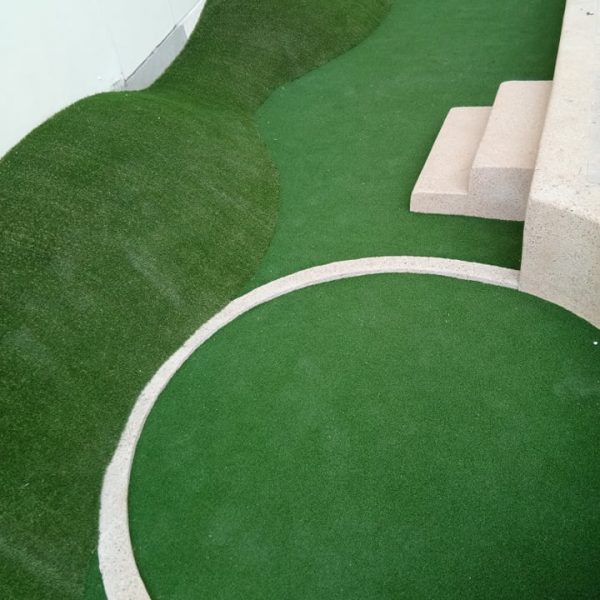
Synthetic grass, also known as artificial turf or fake grass, is a manufactured surface made to resemble natural grass. Initially developed for sports fields, synthetic grass has evolved significantly over the years, with advancements in materials and technology making it more realistic and durable than ever before.
Environmental Impact of Traditional Lawns:
Traditional lawns require significant amounts of water to maintain their lush appearance, especially in arid regions. Additionally, the use of pesticides, herbicides, and fertilizers on natural grass can contribute to water pollution and harm local ecosystems. According to the Environmental Protection Agency (EPA), residential outdoor water use accounts for nearly 9 billion gallons of water per day in the United States, with a significant portion being used for lawn irrigation.
Advantages of Synthetic Grass:
One of the most significant advantages of synthetic grass is its low water consumption. Unlike natural grass, which requires regular watering to stay green, synthetic grass stays vibrant without the need for excessive irrigation. This not only conserves water but also reduces water bills for homeowners and businesses.
Furthermore, synthetic grass eliminates the need for harmful chemicals such as pesticides and fertilizers. By choosing synthetic grass, homeowners and businesses can avoid contributing to water pollution and minimize their impact on local ecosystems.
Additionally, the production and maintenance of synthetic grass have a lower carbon footprint compared to natural grass. Synthetic grass requires less mowing, trimming, and fuel consumption for maintenance, resulting in fewer greenhouse gas emissions.
Choosing an Eco-Friendly Synthetic Grass Supplier:
When selecting a synthetic grass supplier, it’s essential to choose one that prioritizes eco-friendly practices. Look for suppliers that use recycled materials in their products and employ sustainable manufacturing processes. Certifications such as the Environmental Product Declaration (EPD) or Leadership in Energy and Environmental Design (LEED) can also indicate a supplier’s commitment to environmental responsibility.
Tips for Sustainable Synthetic Grass Maintenance:
While synthetic grass requires less maintenance than natural grass, there are still ways to ensure its longevity in an eco-friendly manner. Use a broom or leaf blower to remove debris and organic matter, reducing the need for water-intensive cleaning methods. Additionally, consider incorporating native plants and rainwater harvesting systems into your landscaping design to further enhance sustainability.
Takeaway
Choosing a synthetic grass supplier is not only a practical decision but also an environmentally conscious one. By opting for synthetic grass over traditional lawns, homeowners and businesses can conserve water, reduce chemical usage, and minimize their carbon footprint. Together, we can create a greener future for generations to come.