In today’s fast-paced world, finding moments of tranquility and connection with nature can be a challenge. Yet, the benefits of incorporating natural elements into our living spaces are undeniable. From improving air quality to reducing stress levels, the presence of greenery indoors has a profound impact on our well-being. However, maintaining real plants can be time-consuming and challenging, especially for those with busy lifestyles. This is where artificial plants step in, offering all the beauty of nature with none of the hassle.
The Appeal of Nature Indoors
There’s something inherently calming about being surrounded by nature. Research has shown that indoor plants can help reduce stress, boost productivity, and even improve air quality by removing toxins from the air. However, not everyone has the time or resources to care for real plants. This is where artificial plants come in handy, offering all the benefits of greenery without the need for watering, pruning, or sunlight.
The Rise of Artificial Plants
In recent years, artificial plants have surged in popularity as people seek low-maintenance alternatives to real foliage. Advances in technology have made artificial plants look more lifelike than ever, with realistic textures, colors, and details. Unlike their living counterparts, artificial plants require no watering, fertilizing, or special lighting conditions, making them ideal for busy individuals or those with limited gardening skills.
Enhancing Interior Design with Artificial Plants
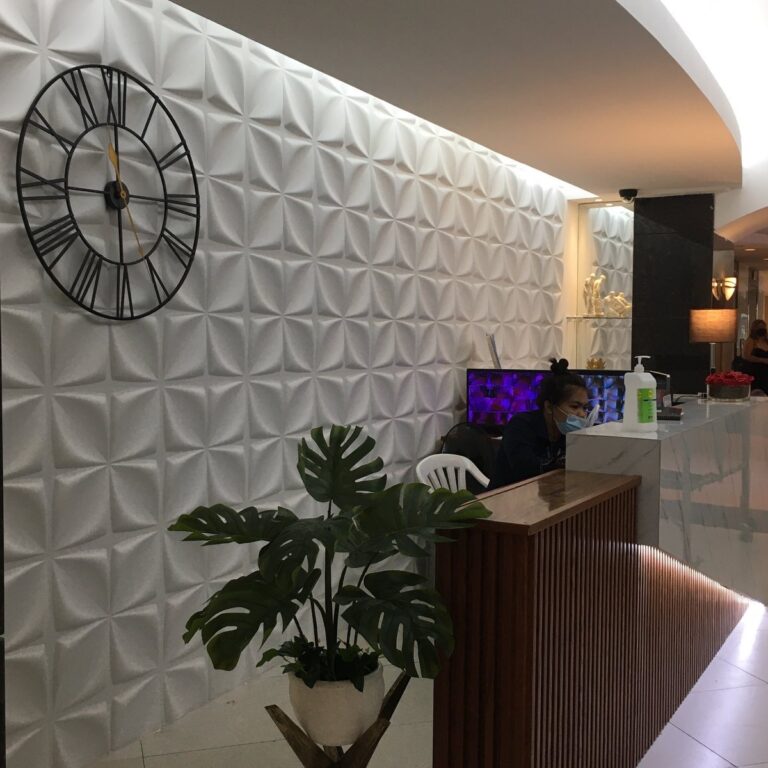
Artificial plants are incredibly versatile and can be used to enhance a wide range of interior design styles. Whether you prefer minimalist modern or cozy farmhouse chic, there’s an artificial plant to suit your aesthetic. From small succulents to large palm trees, artificial plants come in a variety of shapes, sizes, and styles, allowing you to create custom arrangements that complement your space perfectly.
Tips for Selecting and Placing Artificial Plants
When choosing artificial plants for your home, consider factors such as size, shape, and color to ensure they blend seamlessly with your existing decor. Opt for high-quality artificial plants that closely mimic their real counterparts for a more authentic look. When it comes to placement, think about the natural environment each plant would thrive in and try to recreate those conditions as closely as possible.
Caring for Artificial Plants
One of the biggest advantages of artificial plants is their low maintenance nature. Unlike real plants, artificial plants require no watering, pruning, or pest control, making them an excellent choice for those with busy lifestyles or limited gardening skills. To keep your artificial plants supplier looking their best, simply dust them regularly and occasionally give them a gentle wash with mild soap and water.
Sustainability and Eco-Friendly Alternatives
While artificial plants offer many benefits, it’s essential to consider their environmental impact. Traditional artificial plants are often made from non-biodegradable materials such as plastic, which can end up in landfills and contribute to pollution. However, there are eco-friendly alternatives available, such as plants made from recycled materials or sustainably sourced materials. By opting for eco-friendly artificial plants, you can enjoy all the benefits of greenery indoors while minimizing your carbon footprint.
Takeaway
Incorporating artificial plants into your home is a simple and effective way to bring the beauty of nature indoors without the hassle of maintenance. Whether you’re looking to add a pop of color to your living room or create a peaceful oasis in your bedroom, artificial plants offer endless possibilities for enhancing your interior design. By choosing high-quality, lifelike artificial plants and caring for them properly, you can enjoy all the benefits of greenery indoors for years to come.