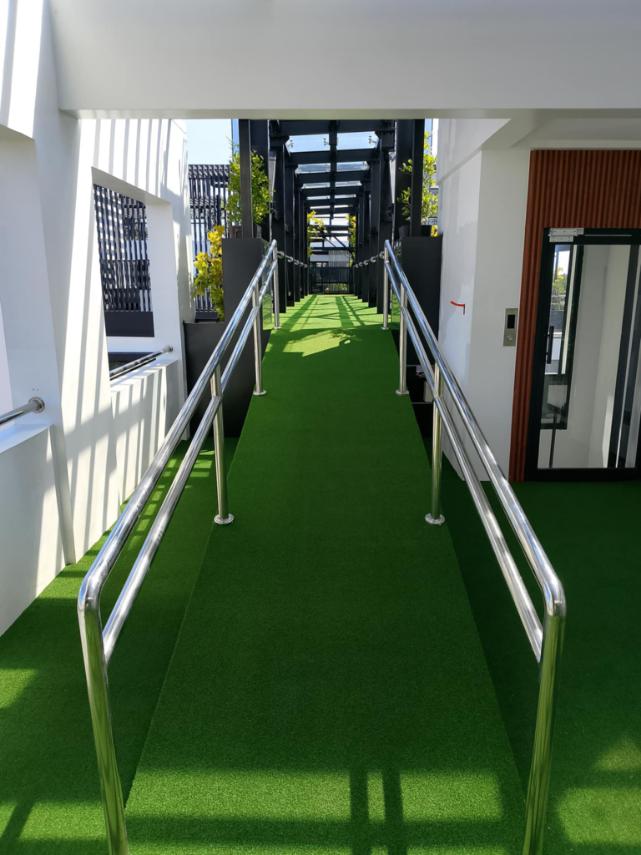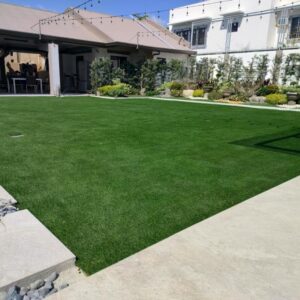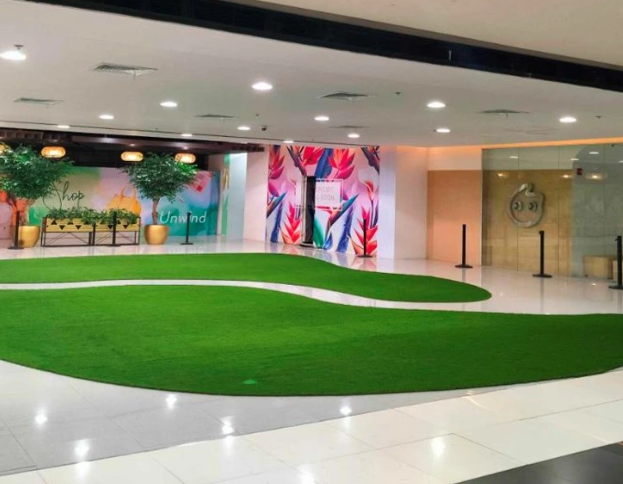
The trend of replacing natural grass lawns with artificial turf has gained significant traction. While aesthetics and low maintenance are often cited as primary reasons for this shift, the environmental benefits of artificial grass are equally compelling. This blog aims to delve into the eco-friendly advantages of artificial grass over traditional lawns, with insights gleaned from industry leaders.
Environmental Impact of Traditional Grass Lawns
Maintaining a lush green lawn requires substantial resources, with water being a primary concern. On average, a natural grass lawn consumes thousands of gallons of water annually, contributing to water scarcity in many regions. Moreover, the use of chemical pesticides and fertilizers poses risks to soil health and water quality. These chemicals can leach into groundwater or runoff into nearby water bodies, harming aquatic ecosystems. Additionally, the disposal of green waste from lawn maintenance adds to landfill accumulation, exacerbating environmental challenges.
Eco-Friendly Features of Artificial Grass
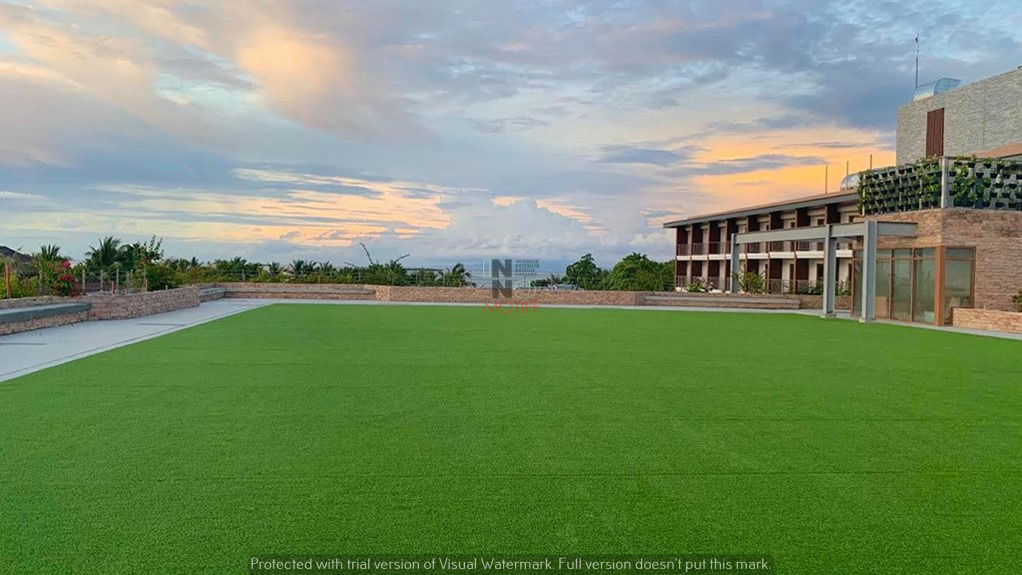
Artificial grass offers a sustainable alternative with numerous environmental benefits. Firstly, it significantly reduces water consumption compared to natural lawns. By eliminating the need for regular watering, artificial turf conserves thousands of gallons of water annually, making it a drought-resistant landscaping solution. Furthermore, artificial grass requires no chemical treatments, thus safeguarding soil health and preventing water contamination. Its longevity also reduces the need for frequent replacements, minimizing landfill waste. Additionally, the absence of mowing requirements reduces carbon emissions associated with lawn maintenance equipment, contributing to a cleaner environment.
Insights from Leading Artificial Grass Suppliers
Top artificial grass suppliers are committed to environmental stewardship throughout their production processes. They prioritize the use of sustainable materials, such as recycled plastics, in manufacturing their products. By repurposing plastic waste into durable turf, these suppliers contribute to waste reduction efforts. Moreover, many leading suppliers adhere to rigorous environmental standards and hold certifications attesting to their commitment to sustainability. By choosing artificial grass from reputable suppliers, consumers can ensure that their landscaping choices align with eco-friendly principles.
Takeaway
The environmental advantages of fake grass supplier make it a compelling choice for sustainable landscaping. By opting for artificial turf, individuals and organizations can contribute to water conservation, reduce chemical pollution, and minimize landfill waste. Leading suppliers play a crucial role in promoting eco-friendly alternatives through their commitment to sustainable practices and quality products. As we strive towards a greener future, embracing innovations like artificial grass offers a practical solution for environmentally conscious landscaping.