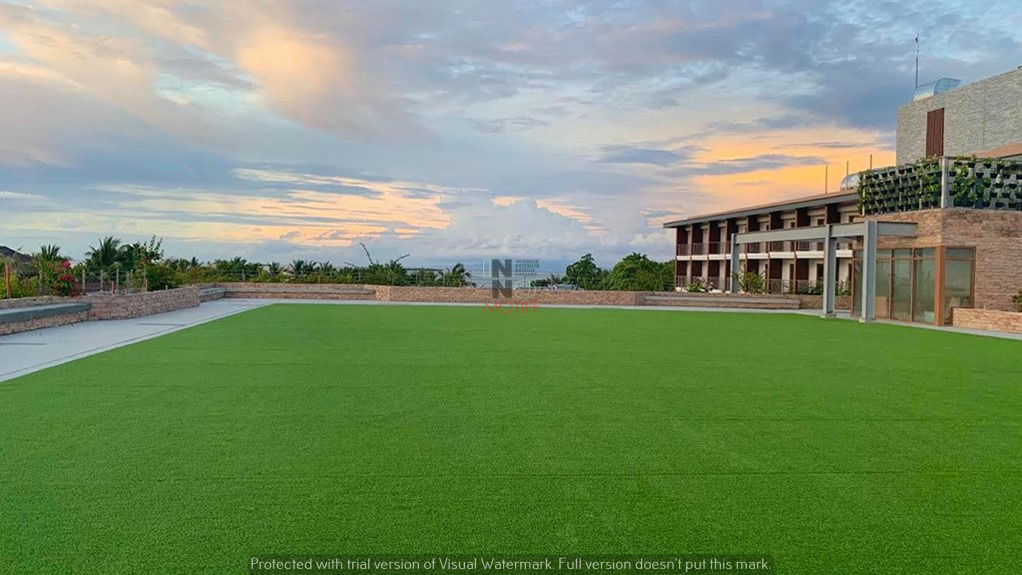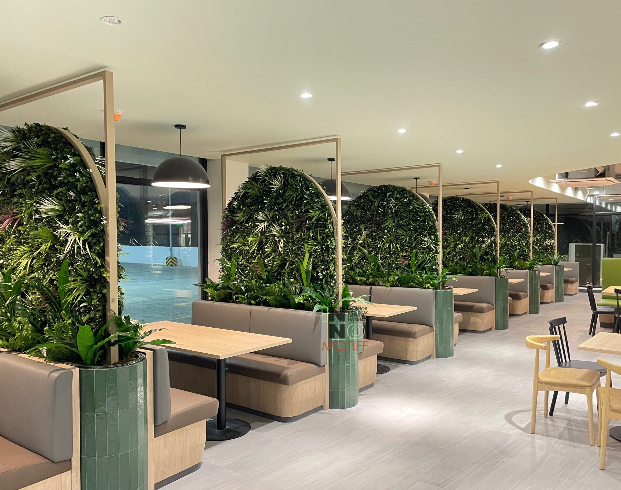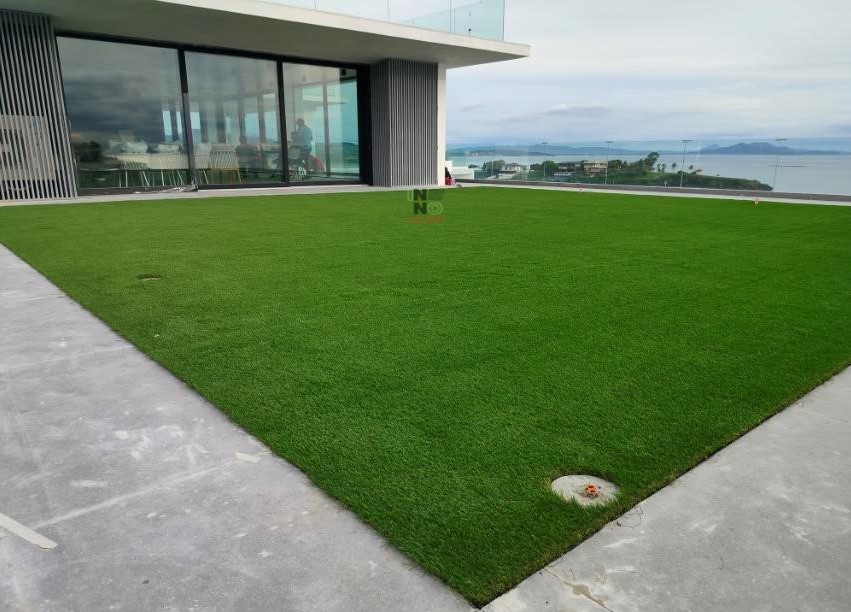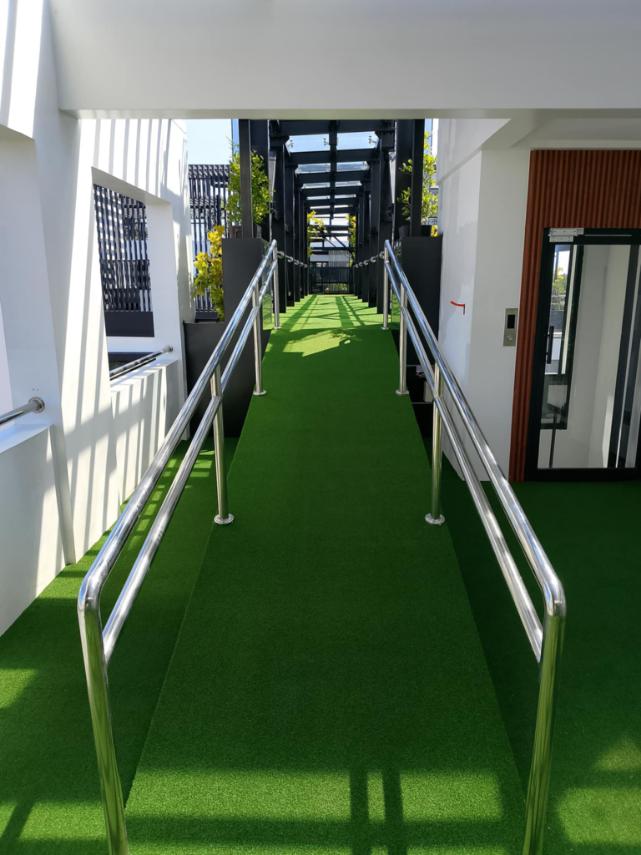
In a world grappling with environmental challenges, the Philippines faces its own urgent crisis: water scarcity. As urbanization burgeons and climate change exacerbates, conserving water becomes paramount. Fortunately, innovative solutions like artificial turf offer a path towards sustainability. Let’s delve into how artificial turf suppliers in the Philippines are pioneering efforts to conserve water and foster a greener future.
Understanding the Water Crisis in the Philippines:
The Philippines, blessed with abundant natural resources, nonetheless confronts a pressing water crisis. With a burgeoning population and rapid urbanization, demand for water surpasses supply. Climate change compounds these challenges, leading to erratic weather patterns and diminishing water sources. According to the Asian Development Bank, the Philippines faces an annual water deficit of around 960 million cubic meters. Such alarming statistics underscore the urgent need for sustainable water management strategies.
The Benefits of Artificial Turf:
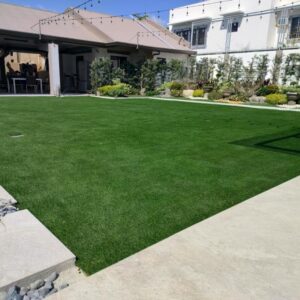
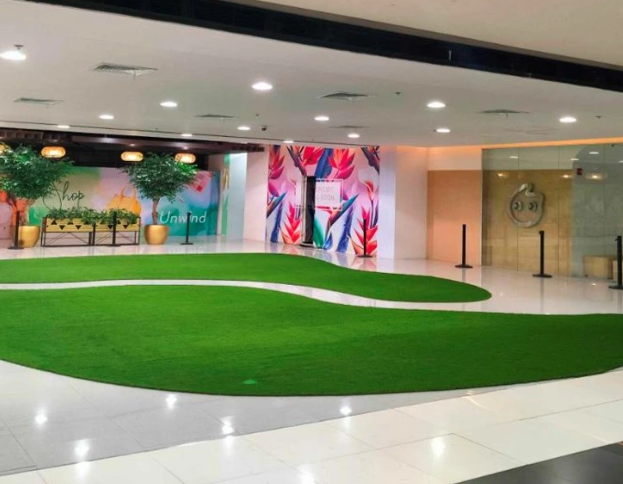
Artificial turf, a synthetic alternative to natural grass, offers a myriad of environmental benefits. Unlike traditional lawns, which require copious amounts of water to maintain lush greenery, artificial turf necessitates minimal irrigation. By eliminating the need for regular watering, artificial turf significantly reduces water consumption, mitigating strain on dwindling water supplies. Moreover, artificial turf eliminates the need for harmful pesticides and fertilizers, further safeguarding water quality. Its durability ensures longevity, minimizing waste generated from frequent replacements.
Role of Artificial Turf Suppliers in Water Conservation:
Artificial turf supplier Philippines play a pivotal role in advancing water conservation efforts. Through sustainable manufacturing practices and eco-friendly materials, these suppliers prioritize environmental stewardship. They actively advocate for the adoption of artificial turf as a viable solution to water scarcity, engaging with local communities and government agencies. By spearheading educational initiatives and showcasing the environmental benefits of artificial turf, suppliers empower consumers to make informed choices that contribute to water conservation.
Takeaway
The future of water conservation in the Philippines hinges on collective action and innovative solutions. Artificial turf stands as a beacon of hope, offering a sustainable alternative to traditional landscaping practices. As artificial turf suppliers continue to champion water conservation efforts, the potential for widespread adoption grows exponentially. By embracing artificial turf, we not only conserve water but also pave the way for a greener, more resilient future.